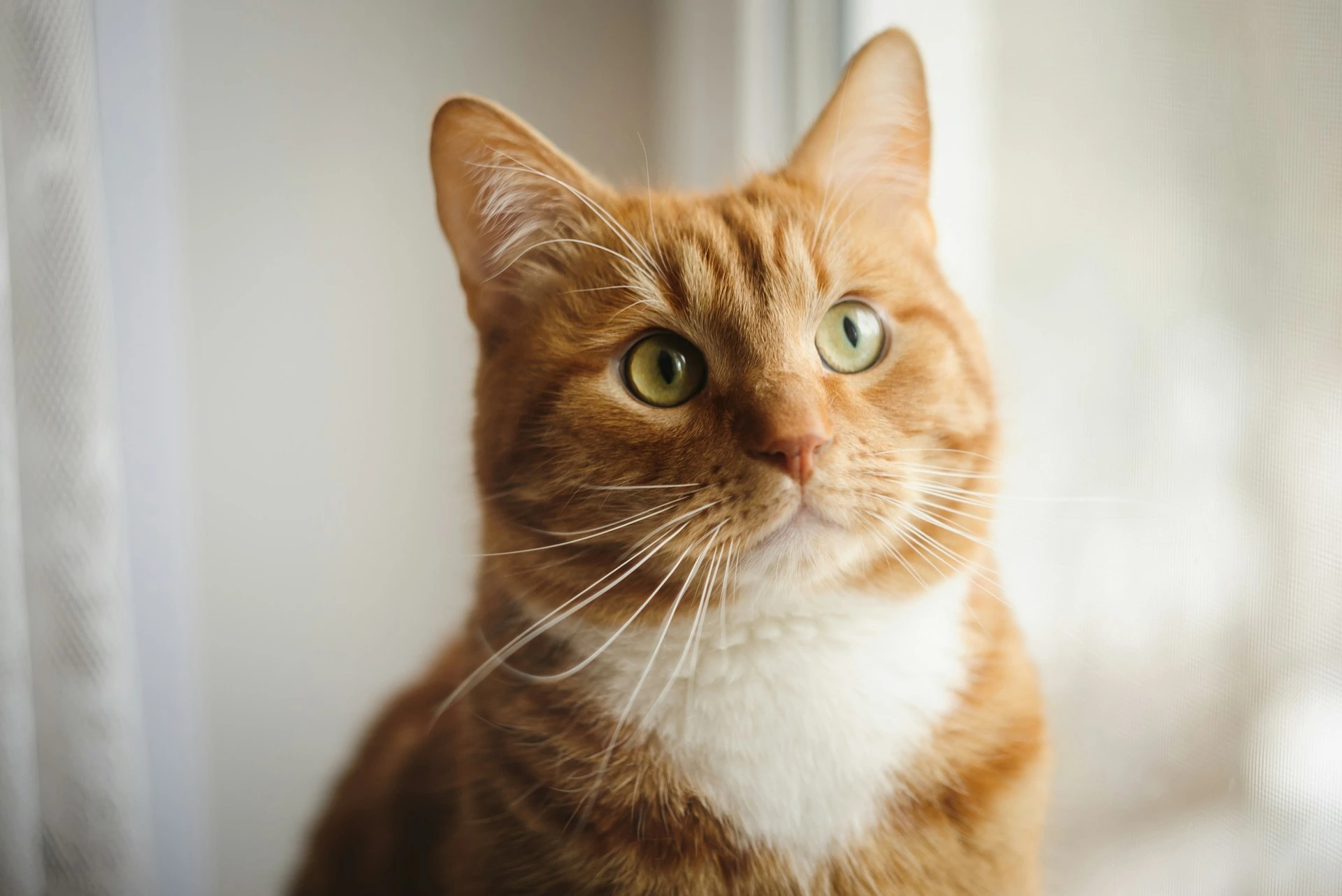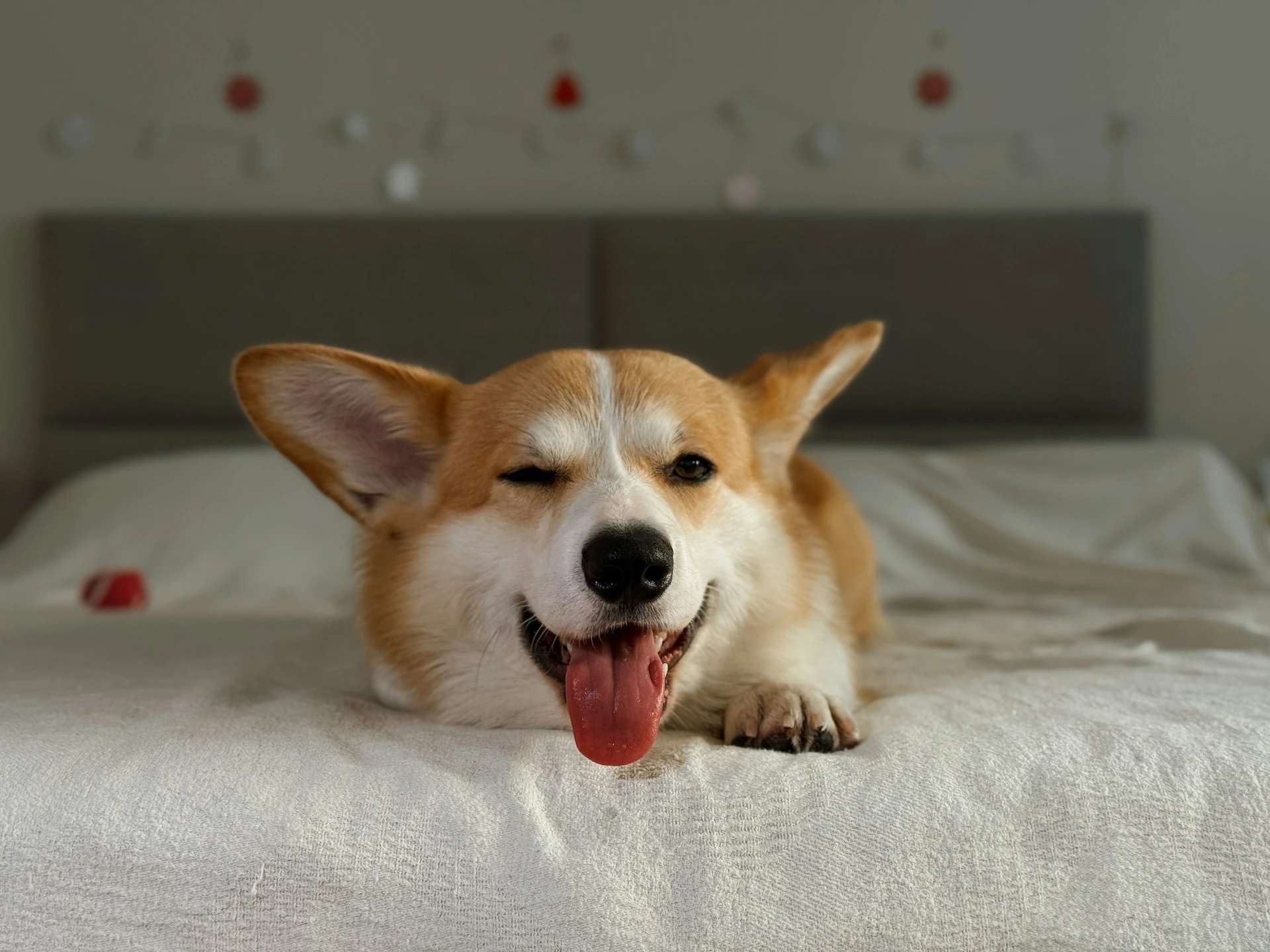
Has your furry friend started looking a little rounder lately, or maybe slowing down more than usual? At The Animal Clinic, P.C., your trusted Montgomery, AL veterinary clinic, concerns about pet obesity are becoming more common as pets live longer, more comfortable lives. While a little extra fluff may seem harmless, excess weight can have a real impact on your pet’s overall health and quality of life.
This guide will help you understand pet obesity, including the signs of obesity, practical ways to help pets lose weight, building a healthy diet for dogs and cats, and simple pet weight-management tips you can use every day. With the right approach, your four-legged buddy can stay active, comfortable, and thriving.
Why Pet Obesity Is a Growing Concern
Pet obesity isn’t just about looks. While we all love a chonky cat or a roly-poly pup, those extra pounds can put a real strain on your pet’s joints, heart, and other important systems. Over time, this can slow them down and take a toll on their overall pep.
our pets enjoy the good life … maybe a little too much sometimes! Indoor living, a few too many treats, and not enough playtime can all add up. Often, pet parents don’t notice their furry friend is getting a bit rounder until it starts to slow them down.
That’s why, at your local Montgomery, AL animal hospital, we keep an eye on your pet’s waistline as part of their regular checkups. Helping your pet stay at a healthy weight means more years of tail wags, purrs, and playtime.
Signs of Pet Obesity
Catching those extra pounds early makes it much easier to help your pet get back on track. Weight gain can sneak up on even the most attentive pet parent, so it’s good to keep an eye out for little changes.
Common signs include:
- Difficulty feeling your pet’s ribs
- Reduced energy or reluctance to exercise
- A noticeable lack of waistline
- Heavy breathing after mild activity
You might notice your furry pal isn’t as excited about playtime or is having a tougher time jumping up on the couch or climbing stairs. These little changes are often the first clues that weight might be slowing them down.
How to Help Your Pet Lose Weight Safely
If your pet has already put on a few extra pounds, don’t worry. You’re not alone! The key is to help them slim down safely and steadily. Slow and steady wins the race when it comes to pet weight loss.
Start by reviewing your feeding routine. It’s easy for portion sizes to creep up over time, especially when those puppy-dog eyes are involved! Using a measuring cup can help keep things on track.
Cutting back on high-calorie treats is another big help. Treats are great for training and bonding, but they should be given in moderation and counted toward your pet’s daily calories.
Regular check-ins with your veterinarian help track progress and make adjustments as needed.
Building a Healthy Diet for Dogs and Cats
A balanced diet is the secret sauce for keeping your pet at a healthy weight. It’s not just about cutting back on food. It’s about making sure your dog or cat gets the right nutrients in the right amounts.
Focus on:
- Consistent portion sizes
- High-quality, balanced meals
- Limiting table scraps
- Providing fresh water at all times
Every pet is unique, with their own needs based on age, size, and how much they like to zoom around. Your vet can help you come up with a plan that fits your furry friend’s lifestyle.
Exercise and Activity Matter
Getting your pet moving is a big part of keeping those extra pounds at bay. Regular activity helps burn off calories, keeps muscles strong, and supports healthy joints.
For dogs, daily walks and playtime are a must. For our feline friends, interactive toys and places to climb can turn exercise into a game.
Even a little extra playtime can make a big difference. The goal is to keep your pet moving in ways they love, regardless of whether that’s chasing a ball or batting at a feather wand.
Practical Pet Weight Management Tips
Consistency is key to long-term success. These pet weight management tips can help you stay on track.
Set up a routine with regular feeding times and daily activity. Try to avoid leaving food out all day, since it makes it tough to keep portions in check.
Keep an eye on your pet’s weight and body shape over time. It’s much easier to tackle small changes before they turn into big ones.
Involving the whole household is also important. Everyone should follow the same feeding and treatment guidelines to avoid mixed signals.
Preventing Weight Gain Before It Starts
It’s always easier to prevent weight gain than to play catch-up later. Helping your pet stay at a healthy weight from the start sets them up for a lifetime of good health.
Regular checkups at your Montgomery, AL pet hospital let your vet keep an eye on your pet’s weight and offer advice as needed. Catching small changes early can help avoid bigger problems later.
Keeping your pet moving, feeding them balanced meals, and going easy on the treats all add up to a healthier, happier life.
When to Talk to Your Veterinarian
If you’re not sure whether your pet is at a healthy weight, a quick visit to your vet can clear things up. We can assess their body condition and help you decide what’s best for your furry friend.
Contact your veterinarian if:
- Your pet is gaining weight despite normal feeding
- You notice reduced mobility or energy
- Weight loss efforts are not working
Getting advice from your vet ensures your pet’s weight-loss plan is both safe and effective.
PetMD has a very informative article about obesity in cats and a companion piece on obesity in dogs.
FAQ
What are the signs of pet obesity?
Common signs include difficulty feeling ribs, lack of a defined waist, reduced activity, and heavy breathing after light exercise. These changes can develop gradually and should be monitored closely.
How can I help my pet lose weight safely?
Helping a pet lose weight involves controlling portions, reducing treats, increasing activity, and working with your veterinarian to create a balanced plan.
What is a healthy diet for dogs and cats?
A healthy diet for dogs and cats includes balanced nutrition, proper portion sizes, and consistent feeding routines. Avoiding excess treats and table scraps also helps maintain a healthy weight.
Why is pet obesity a problem?
Excess weight can affect joints, heart health, and overall mobility. Managing your pet’s weight helps support a longer, more comfortable life.
Visit Our Montgomery, AL Veterinary Clinic for Weight Management Support
Managing pet obesity in Montgomery, AL, is one of the most important steps in supporting your pet’s long-term health. At The Animal Clinic, P.C., your Montgomery, AL veterinary clinic, personalized guidance is available to help your furry bestie stay active and healthy. If you are searching for a “vet near me,” a caring team is ready to help. Call today to schedule an appointment and take the next step toward better health for your pet.
This blog is for informational purposes only and is not a substitute for professional veterinary care. Always consult your veterinarian for the right medical advice, diagnosis, or treatment plan for your pet.
Would you like to learn more about our pet clinic? Visit our Services page for a great overview of our animal hospital and services. We provide standard veterinary care, such as Wellness and Vaccinations and Dentistry, as well as Nutrition and Weight Management.